Scripting Batch Processes to Merge Multi-Language Tracks from Torrent Repositories into Unified Player Libraries
Harper Friedrich · Sep 26, 2026
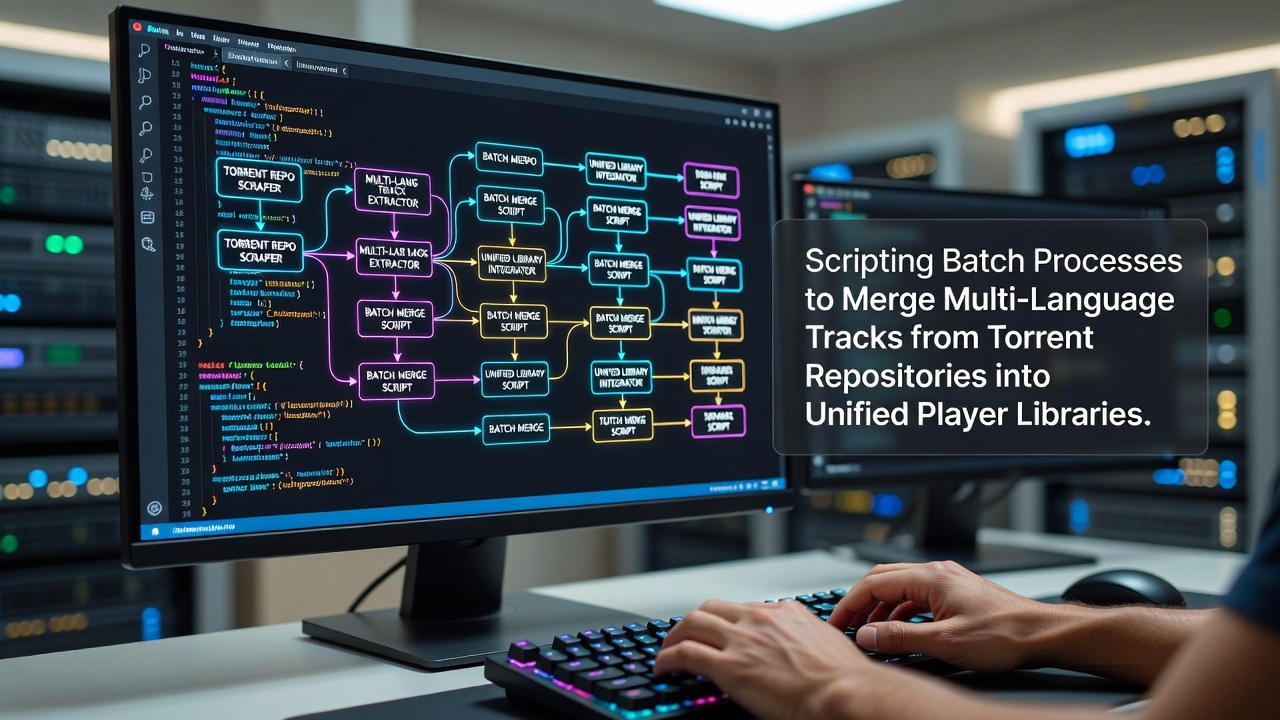
Scripting Batch Processes to Merge Multi-Language Tracks from Torrent Repositories into Unified Player Libraries
Media enthusiasts and archivists have long managed collections drawn from distributed torrent repositories where files often arrive with incomplete or mismatched audio layers in various languages, and batch scripting addresses this by automating the identification, extraction, and recombination steps into cohesive libraries that support unified playback across devices. Researchers in digital preservation note that such processes rely on command-line utilities like FFmpeg combined with scripting languages such as Python or Bash to handle volume at scale, allowing systematic processing without manual intervention for each file.
Core Components of Multi-Language Track Handling
Torrent repositories frequently supply video containers that contain primary audio streams alongside optional secondary tracks in additional languages, yet inconsistencies arise when files originate from separate sources or when metadata lacks standardization. Observers note that scripting begins with directory scanning routines that parse file names and container metadata to catalog available tracks, after which conditional logic determines which layers require merging based on language codes embedded in the streams. Data from the European Audiovisual Observatory indicates steady growth in multi-language content availability, with figures revealing increased demand for automated tools that consolidate these elements into single playable files.
Once identification completes, the merge phase employs FFmpeg commands executed in loops or parallel threads to extract selected audio streams and re-encode them into target containers while preserving original video quality and subtitle alignments where present. Those who study media workflows point out that error handling within scripts becomes essential because torrent-sourced files sometimes carry variable bitrates or corrupted headers that disrupt standard concatenation operations.
Script Development and Automation Strategies
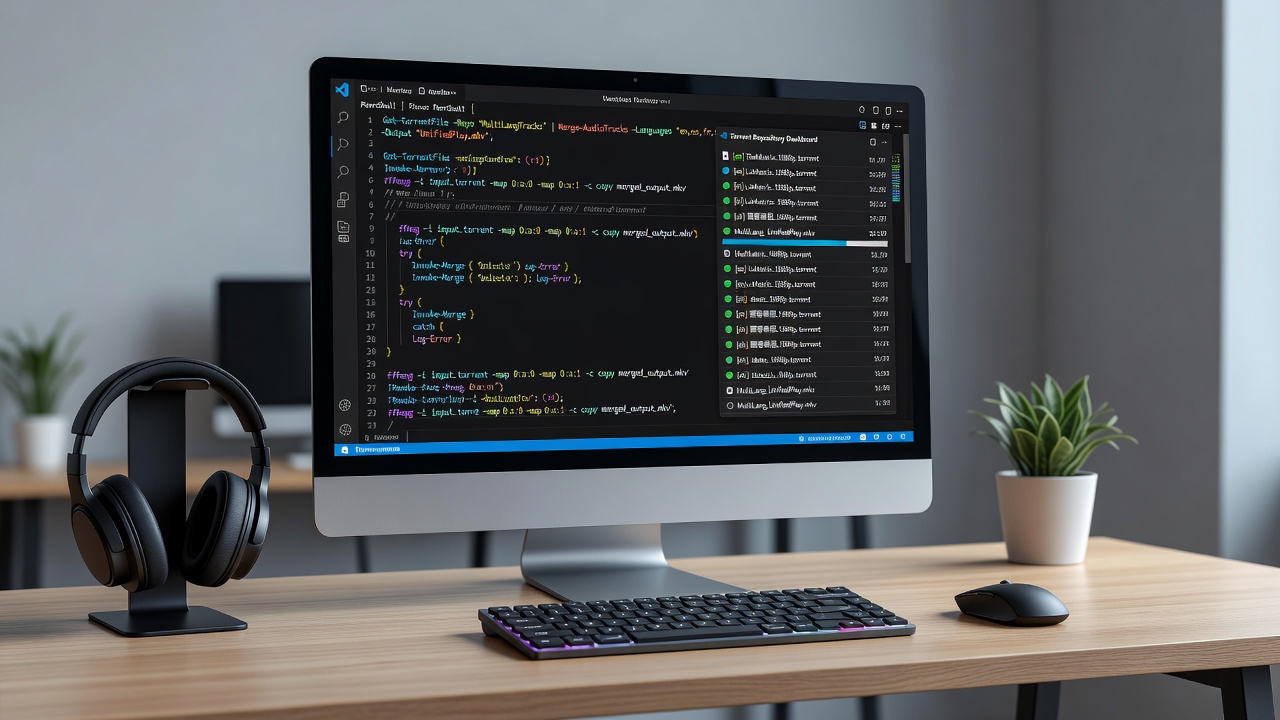
Developers construct Python scripts that leverage libraries such as ffmpeg-python or subprocess calls to orchestrate batch operations across entire folder structures, beginning with functions that recursively walk directories and build lists of candidate files before applying filters for language tags. The reality is that these scripts often incorporate logging mechanisms to record which tracks were added or skipped during each run, creating audit trails useful for troubleshooting later stages of library integration. What's interesting is how modular design allows reuse across different repository types, where one module handles track detection while another manages container output formatting.
Bash alternatives appear in environments favoring native shell tools, where users deploy loops with find commands and awk parsing to generate dynamic FFmpeg arguments on the fly. Studies from Australian digital heritage projects have documented similar approaches in archival settings, showing reduced processing time when scripts run overnight on dedicated hardware clusters. Integration with external subtitle databases occurs through additional API calls within the same workflow, ensuring that newly merged files carry synchronized text layers from verified sources.
Library Organization and Playback Compatibility
After merging completes, scripts move finished files into categorized directories based on metadata fields such as title, year, and primary language, while generating sidecar files that list all embedded audio options for quick reference by media players. Observers note that this step prevents duplication and supports seamless switching between language tracks during playback in applications like VLC or Kodi. In September 2026, updates to container standards are expected to expand support for additional audio codecs, prompting script maintainers to add conditional encoding branches that accommodate emerging formats without breaking existing pipelines.
Compatibility testing forms another layer where automated checks verify that merged outputs play correctly across operating systems and hardware setups, with reports generated for any files requiring manual review. People managing large collections find that such verification loops catch issues like mismatched channel counts early, before they propagate into the final unified library.
Conclusion
Batch scripting for multi-language track merging transforms fragmented torrent-sourced files into organized libraries through systematic detection, combination, and verification stages that rely on established open-source utilities. Continued refinement of these processes aligns with evolving media standards, enabling consistent access to diverse audio options within single container files.