Building Automated Workflows for Metadata Tagging in Personal Video Collections Using Scripted Utilities and Database Integration
Alex Perry · Oct 10, 2026
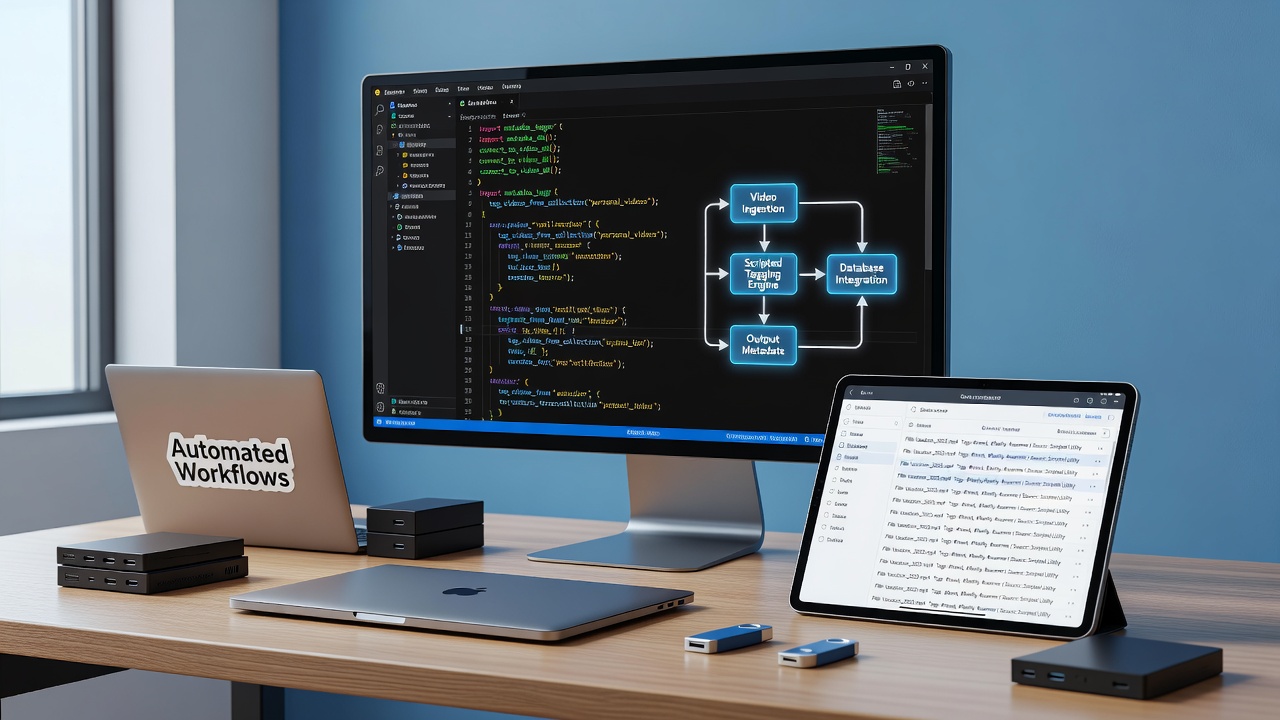
Building Automated Workflows for Metadata Tagging in Personal Video Collections Using Scripted Utilities and Database Integration
Personal video collections often contain thousands of files scattered across drives adn folders, and researchers have documented how metadata tagging transforms raw footage into searchable archives. Scripted utilities handle repetitive tasks while database integration tracks tags across multiple devices and users, and this combination reduces manual effort according to studies on digital asset management.
Core Components of Metadata Tagging Systems
Metadata for video files includes details such as creation date, camera model, location coordinates, event descriptions, and technical specs like resolution and codec, and these elements enable precise retrieval when collections grow beyond simple folder structures. Scripted utilities extract existing data from file headers using tools like ExifTool or FFmpeg, then populate missing fields through pattern matching or external APIs, while database systems store the resulting records for cross-referencing and updates.
Those who maintain large archives report that standardized schemas prevent duplication and support migration between platforms, and organizations such as the Library of Congress publish guidelines that define core fields for audiovisual materials. Integration begins with a lightweight database like SQLite that accepts inserts from command-line scripts, allowing queries to surface videos matching specific criteria without rescanning entire directories each time.
Scripted Utilities for Extraction and Tagging
Utilities written in Python or shell scripts automate the first stage by scanning folders recursively and pulling embedded information from containers such as MP4 or MKV, and these scripts apply conditional logic to assign genre tags or subject keywords based on filename patterns or accompanying text files. Batch processing loops handle thousands of items in sequence, logging errors for later review so that incomplete records do not halt the entire run, and output formats include JSON or CSV that feed directly into database tables.
One documented approach combines MediaInfo for technical parameters with custom Python functions that normalize date formats and resolve abbreviations, and the resulting dataset becomes the foundation for further enrichment through face recognition libraries or subtitle analysis. Observers note that scheduling these scripts via cron or Task Scheduler keeps collections current without constant oversight, and version control on the script files themselves ensures reproducibility across different machines.
Database Integration and Query Capabilities
Databases store metadata as relational records where each video entry links to multiple tag tables, and this structure supports complex searches such as retrieving all clips filmed in a specific year at a particular location. Scripts connect through libraries like sqlite3 in Python or direct SQL commands, inserting new rows after each tagging pass and updating existing entries when files are modified or moved, and foreign keys maintain consistency when tags are edited in bulk.
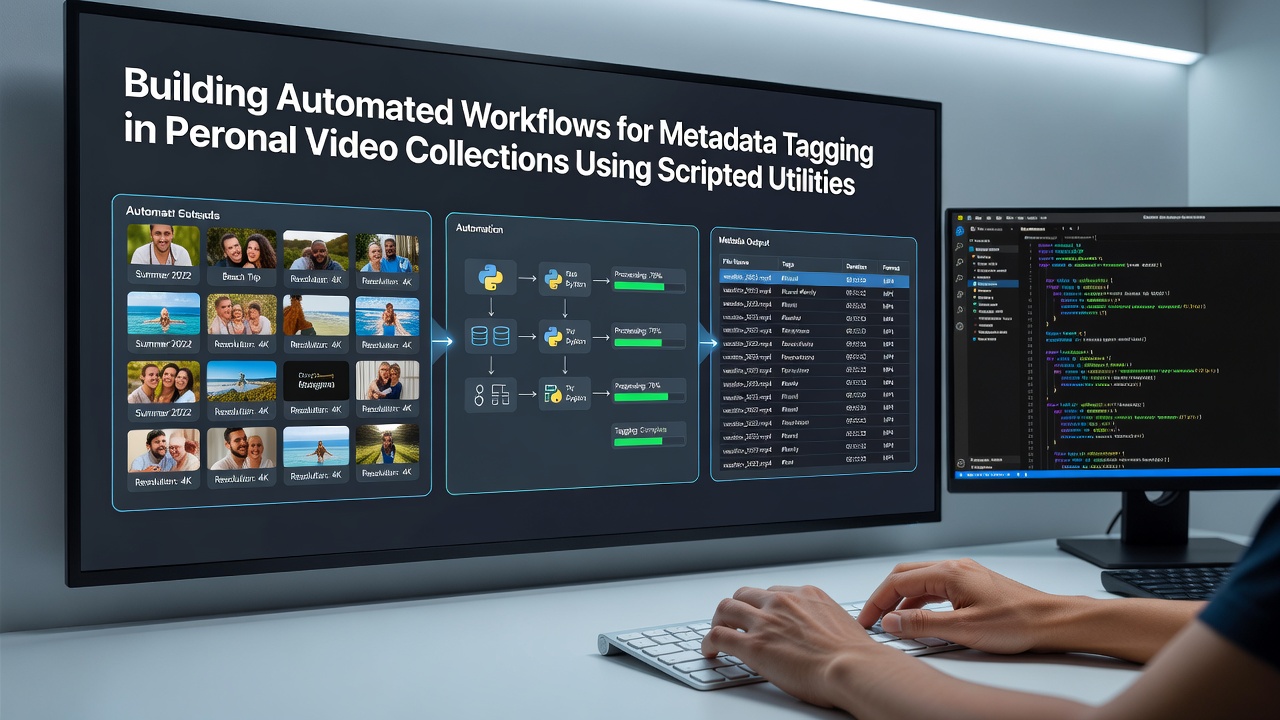
Full-text search extensions accelerate retrieval of descriptive fields, and backup routines export the database to portable formats for offsite storage, and researchers at institutions including the UK National Archives have examined similar workflows for long-term audiovisual preservation. Automated triggers can flag records with low tag counts for manual review, closing the loop between scripted processing and human verification.
Building End-to-End Workflows
A complete workflow starts with a monitoring script that detects new files in designated folders, launches extraction routines, then commits results to the database before generating summary reports, and users configure these steps through simple configuration files rather than editing code directly. Error handling branches route problematic files to quarantine directories while continuing with the remainder of the collection, and logging mechanisms record timestamps and script versions for audit trails.
Parallel execution on multi-core systems shortens processing time for large imports, and database indexes on frequently queried columns keep response times low even as record counts climb into the tens of thousands. Integration with external services occurs through API calls embedded in scripts, pulling weather data for location tags or pulling cast information for narrative videos, and all operations remain local unless explicitly configured otherwise.
Maintenance and Scaling Considerations
Regular schema updates accommodate new metadata standards without breaking existing records, and migration scripts transfer data between database engines when collections outgrow initial choices such as SQLite. Access controls limit write permissions to authorized scripts while allowing read access for media players or web interfaces, and encryption options protect sensitive location or personal information stored alongside technical tags.
Testing environments replicate production databases with sample data so that script changes can be validated before deployment, and community repositories share reusable modules for common tasks such as duplicate detection or format normalization. As collections expand, distributed setups using client-server databases replace single-file solutions while retaining the same scripted front ends, preserving continuity for users who began with simpler implementations.
Conclusion
Automated workflows that combine scripted utilities with database integration deliver consistent metadata across expanding video collections, and documented implementations show measurable improvements in retrieval speed and accuracy. Continued refinement of extraction scripts and schema design supports both current needs and future migrations, providing a reliable foundation for personal archives that grow over time.